Circular strategies can strengthen island food resilience and capture more value locally. 🌀 🏝️
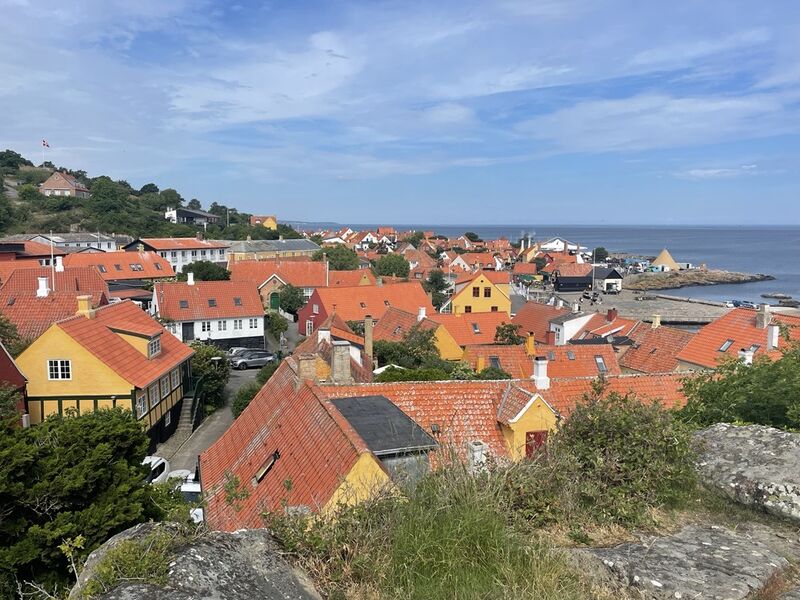
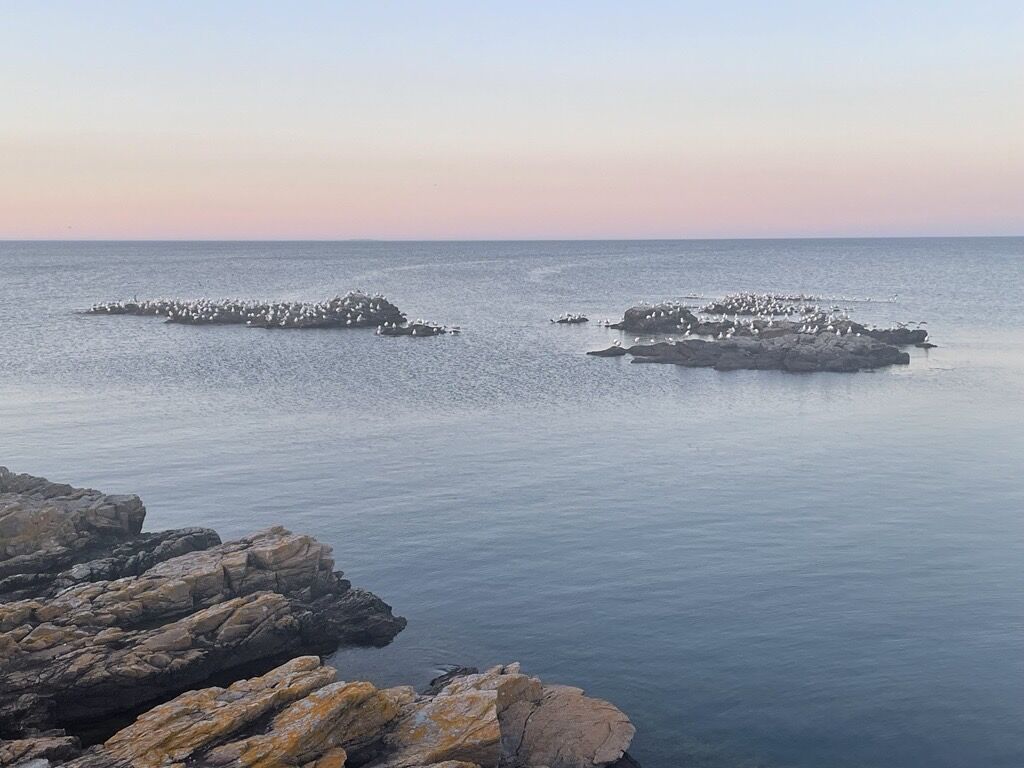
Last week, our colleagues Maria Wirth and Romina Ambika Schreuer had the pleasure to visit Bornholm, a small beautiful Danish island in the Baltic Sea. It is home to around 40,000 people, and welcomes roughly 600,000 visitors a year. Tourism is an economic engine, generating €550 million annually, the island’s second-largest sector after agriculture. Visitors cite food as the second-most important reason to visit the island. Nature being the first. 🙂 Despite a rich local food culture (which we recommend experiencing! 🐟), only about 6% of the food consumed on the island is sourced here, and valuable resources like food waste leave the island instead of feeding local value chains.
This is where circular economy thinking can change the game. For a municipality facing population decline, highly concentrated seasonal dependence, and tight finances, keeping value local is a resilience strategy. More local sourcing, stronger links between producers and venues, unconventional agrifood experiences, and smarter use of waste streams could help keep jobs and revenue where they are generated.
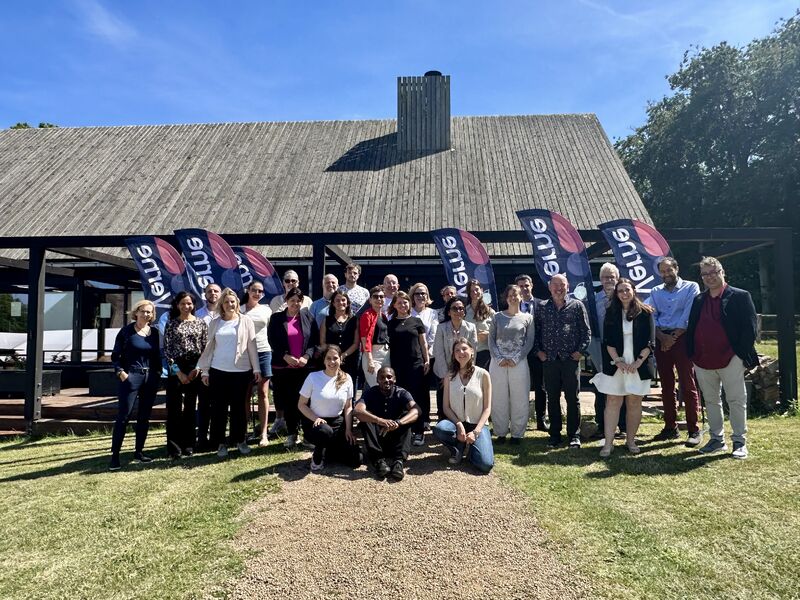
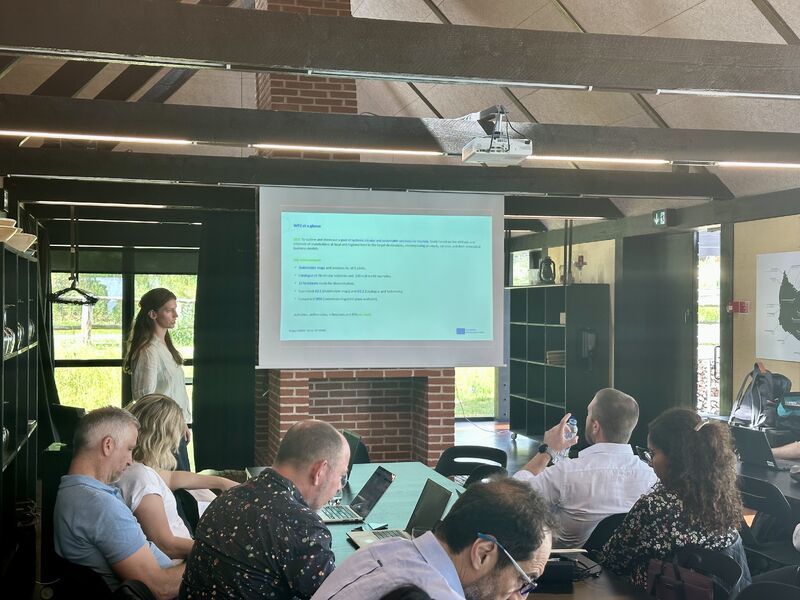
Our colleagues visited the island for the VERNE Project interim review meeting, exchanging with consortium partners, the EU Project Officer, and the external peer reviewers in Gudhjem, Bornholm, hosted by Lund University. They cooked together, visited local agribusinesses and agrifood experience providers, and got a real feel for one of our five pilot destinations.
Stay tuned for our 🥗 Catalogue of Circular Solutions for Tourism 🌍 with 200+ real-world examples spanning waste valorisation, destination-level strategies, and nature-based solutions, developed within VERNE, online soon!
Figures via The Hanseatic (https://lnkd.in/dZmd5F9m) and Nordregio (https://lnkd.in/dC5fJsHr).
Images 1 & 2: Joanne Ahern
Images 3-5: Maria Wirth
#HorizonEurope
#CircularEconomy
#SustainableTourism
#SustainableFood