Categories
News Press releases

Recyclingbrot bis grüne Wände

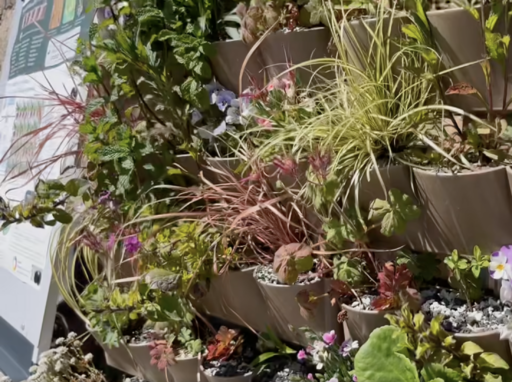
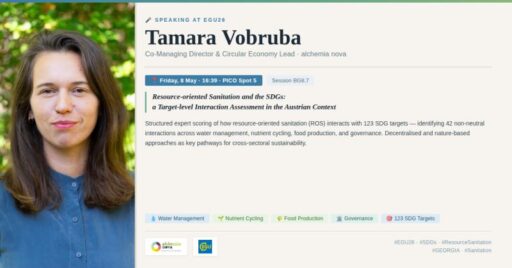
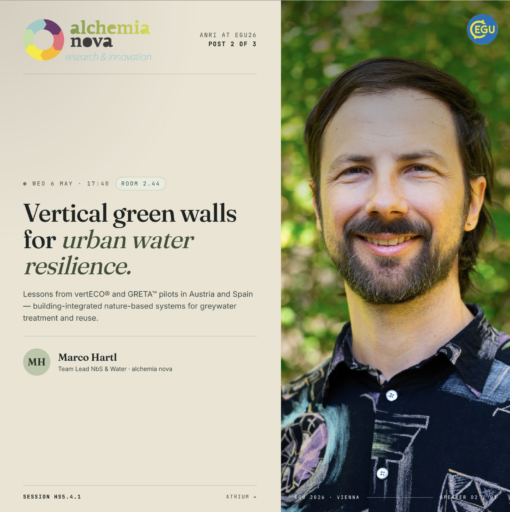
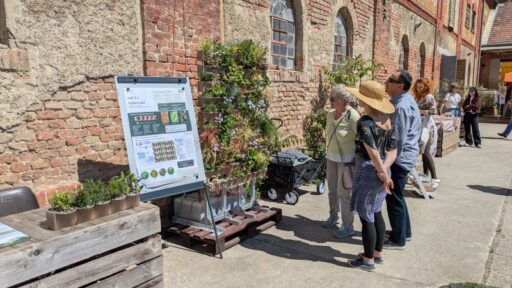
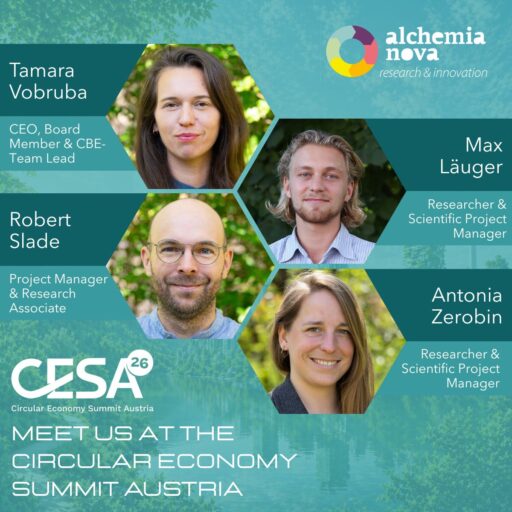
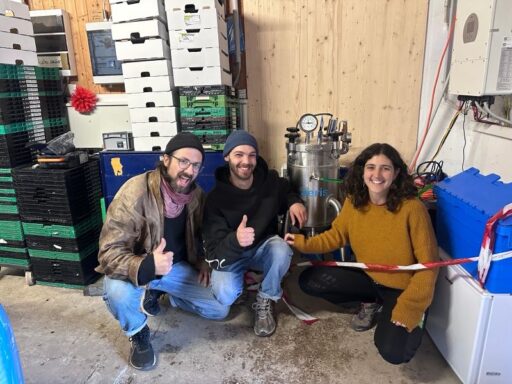
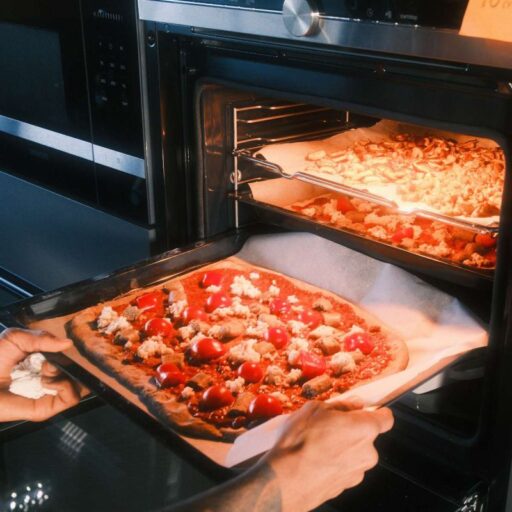
Zwischen Forschung, Praxis und Idealismus entsteht bei alchemia-nova etwas Besonderes: Zirkuläre Lösungen, die funktionieren – und ein Team, das für sie brennt. Im Gespräch erzählen Tamara Vobruba und Marco Hartl, wie grüne Wände schon heute zur Wasseraufbereitung beitragen und warum Käseliebhaber:innen ihre Marillenkerne besser nicht wegwerfen sollten. In einem Satz: Was macht ihr bei alchemia-nova genau? Tamara: Wir sind ein…

Categories
Publications

Performance of a green wall in treating organics, nutrients and pathogens in greywater in a cool climate

This study investigated the performance of the vertECO® green wall system with lightweight expanded clay aggregate (LECA) and biochar-pumice media in treating greywater from an urban city district (1000 residents) under Scandinavian climate conditions. Over one year, the system effectively removed organic matter, achieving 90–97 % of biological oxygen demand (BOD) reduction and 56–94 % for total suspended solids (TSS). However, nitrogen…

Categories
Publications

A Systematic Framework for Assessing the Temporally Variable Protective Capacity of Nature-Based Solutions Against Natural Hazards

Natural hazards increasingly threaten alpine infrastructures and livelihoods due to climate change and expanding settlement, while the sustainability of conventional grey protective structures is constrained by high maintenance demands. Nature-based solutions (NbS) offer more cost-effective, adaptive protection that can strengthen over time, making them central to climate-resilient hazard management. This paper presents a systematic methodology that integrates a three-level hazard…

Categories
Publications

Enhancing sustainability of constructed wetlands for agricultural water and nutrient management practices through social innovations

Nature-Based Solutions for Urban Sustainability provides comprehensive insights on existing technologies and up-to-date advances in the field of water, wastewater and waste treatment using nature-based approaches and systems. This book highlights: Process fundamentals of nature-based solutions, including hydrodynamics, media, bacteria/media interactions and phytoremediation for pollution control, resource recovery and energy generation.Critical insights on the status, major challenges and modern engineering…

Categories
Publications

Emerging contaminants in sludge treatment reed beds: Removal, persistence, or accumulation?

This study evaluated pilot-scale sludge treatment reed beds (STRBs) planted with Miscanthus x giganteus for their ability to remove 49 organic micropollutants under different aeration regimes over 16 months. Results showed that 21 of 25 frequently detected compounds were degraded by up to 99% independent of aeration type, suggesting environmental conditions play a greater role than aeration in removal efficiency….

Categories
Publications

Innovative circular solutions and services for new buildings and refurbishments

This study presents circular economy interventions implemented in a centenary building in Vienna under the EU-funded HOUSEFUL project, aiming to optimise resource management across building life cycles. The approach integrates technologies for internal reuse of treated rainwater and wastewater, renewable energy generation from biogas, composting linked to urban gardening, and nutrient use in greenhouses. Energy efficiency enhancements include green walls,…

Categories
Publications

Long term decentralized greywater treatment for water reuse purposes in a tourist facility by vertical ecosystem

A horizontal flow wetland (HF) integrated in a cascading vertical set-up (vertECO) was tested for decentralised treatment of low load greywater in a Mediterranean tourist facility over 22 months, evaluating 15 plant species and three hydraulic retention times (HRTs: 1.9, 1.4 and 1.0 days) with additional aeration improving the degradation process. Standard pollutant removal efficiencies exceeded 90% for COD, BOD5,…

Categories
Publications

Framework Conditions and Strategies for Pop-Up Environments in Urban Planning

Urban strategies and the way cities are planned have changed throughout history, adapting to the needs of the inhabitants, infrastructure requirements, and advances in technology. Uses and customs of people and cities are changing and can evolve much faster than in the past, with the result that urban planning is often too slow to adequately meet the current needs of…

Categories
Publications

A review of nature-based solutions for resource recovery in cities

This review explores the role of nature-based solutions (NBS), particularly those utilising (micro)organisms, in enabling resource recovery within urban environments under the circular economy framework. Drawing on extensive literature and over 90 European innovation projects from the COST Action Circular City network, it examines NBS applications for treating urban and industrial wastewater, municipal solid waste, and gaseous effluents. The study…

Categories
Publications

Potential Nutrient Conversion Using Nature-Based Solutions in Cities and Utilization Concepts to Create Circular Urban Food Systems

Limited water and phosphorus resources and large carbon footprints of chemical fertilisers drive increased recovery of water and nutrients for reuse in agriculture. Alongside end-of-pipe technologies at conventional wastewater treatment plants, nature-based solutions provide a robust and low-energy alternative solution. This paper evaluates the potential of nature-based solutions (NBS) to close water and nutrient cycles in urban food systems, using…

Categories
Publications

Validating Circular Performance Indicators: The Interface between Circular Economy and Stakeholders

This study develops a novel dynamic selection approach for Circular Economy indicators, integrating expert and participatory inputs to address the Water-Energy-Food-Ecosystems nexus. Twenty indicators were ranked by diverse stakeholders, and their interrelationships analysed through Interpretive Structural Modeling, identifying six hierarchical importance levels. Cross-Impact matrix multiplication applied to classification (MICMAC) analysis classified indicators into four categories based on driving and dependence…
Categories
Publications

Constructed wetlands operated as bioelectrochemical systems for the removal of organic micropollutants

This study assessed the removal of four pharmaceutical organic micropollutants (carbamazepine, diclofenac, ibuprofen, and naproxen) in meso-scale constructed wetlands (CWs) operated as bioelectrochemical systems (BES), specifically microbial fuel cells (MFCs) and microbial electrolysis cells (MECs), applying a realistic horizontal flow regime and through continuous real urban wastewater feeding. Although CW-BES treatments showed modest, non-significant increases in removal efficiencies for carbamazepine,…
Categories
Publications

Temporary Urban Pop-Up Environments – Design Requirements and Sustainable Solutions

The construction industry is one of the most environmentally detrimental industries in the world, impacting directly the use of raw materials, their determination of use involving the whole lifecycle, as well as all their surrounding environment. This article examines the potential of deconstruction, a selective dismantling of building components for reuse, repurposing, or recycling, as a sustainable alternative to traditional…

Categories
Publications

Novel vertical ecosystem for sustainable water treatment and reuse in tourist resorts

VertECO is a vertical constructed wetland integrating horizontal and vertical flow for greywater treatment in hotel settings. The system achieves 90% or higher pollutant removal via plant–microbe interactions, producing effluent meeting regulatory quality standards suitable for reuse (e.g., irrigation, toilet flushing). Water savings of 40%–50% can be achieved. Life Cycle Assessment (LCA) indicates a reduced environmental impact compared to conventional…

Categories
Publications

Closing Water Cycles in the Built Environment through Nature-Based Solutions: The Contribution of Vertical Greening Systems and Green Roofs

Water in the city is typically exploited in a linear process, in which most of it is polluted, treated, and discharged; during this process, valuable nutrients are lost in the treatment process instead of being cycled back and used in urban agriculture or green space. This paper proposes a paradigm shift toward closing urban water cycles through nature-based solutions (NBS),…

Categories
Publications

Drivers and Barriers for Implementation and International Transferability of Sustainable Pop-up Living Systems

This study explores temporary pop-up environments as innovative, sustainable living systems supporting the transition to a circular economy in urban construction. Designed for flexibility, lightweight assembly, and reversibility, these Pop-Up structures were conceptualised through six scenarios tailored to Vienna’s technical, urban, and social conditions. An international online survey assessed the transferability of these concepts, revealing that while sustainability requirements for…

Categories
Publications

Fundamentals of Building Deconstruction as a Circular Economy Strategy for the Reuse of Construction Materials

This article addresses the early-stage transition from a linear to a circular economy in the construction sector, emphasising the role of deconstruction as a sustainable alternative to traditional demolition. Deconstruction involves selective dismantling of building components for reuse, repurposing, or recycling, reducing material waste and environmental impact. The study analyses strategies to maximise deconstruction potential and minimise urban environmental effects….

Categories
Publications

Achieving EU’s Climate Goals through Circular Construction

This report is aimed at summarising how CE can help Climate in the Buildings and Infrastructure sector. In particular, the 4-pager highlights the impact of the sector, as well as the role of Circular Economy in tackling the pressing challenges the sector faces, and refers to best practices and innovations currently being implemented across the EU region and the UK….

Categories
Publications

Analysis of reactive phosphorus treatment by filter materials at the edge of tile-drained agricultural catchments: A global view of the current status and challenges

This review evaluates the use of filter materials (FMs) to reduce dissolved reactive phosphorus (DRP) losses from tile-drained agricultural catchments, a key source of phosphorus pollution in surface waters. It concludes that sorption-based retention, especially using iron- and aluminum-rich FMs, outperforms precipitation-based methods due to strong DRP binding, fast reaction times, and low desorption. Calcium- and magnesium-based FMs are effective…

Categories
Publications

A two-year stakeholders’ consultation on the construction and infrastructure value chains. Output Paper of the activities coordinated by ENEA in 2020-2021

This paper examines circular economy opportunities within the construction sector, emphasising market dynamics, value chain collaboration, and industrial symbiosis. It stems from multi-stakeholder consultations led by ENEA and involving key actors, synthesizing barriers, drivers, and strategic pathways to advance circularity, resource efficiency, and decarbonization in construction and infrastructure. Despite limited policy focus on green infrastructure, emerging EU instruments signal increased…

Categories
Publications

Phosphorus mining from eutrophic marine environment towards a blue economy: The role of bio-based applications

Global phosphorus reserves face depletion risks due to overconsumption and poor management, while eutrophication affects many marine waters from excess nutrients. The nutrient-rich marine environment offers a potential phosphorus source that could serve as future phosphorus mines. Sustainable recovery strategies, especially bio-based approaches using microorganisms, show promise for removing and recovering phosphorus to support both ecosystem health and market demand….

Categories
Publications

Kreislauffähiges Bauen und Sanieren. In: Edeltraud Haselsteiner (a cura di): Robuste Architektur

Robust architecture is created based on needs. It is sufficient, resilient, and appropriate to the location. It is about the potential of simplicity, about traditional construction, and about alternative paths to sustainable architecture. Local building materials, solid craftsmanship, and proven construction methods provide guidance. Combined with contemporary planning tools and research findings, this results in design strategies for a climate-positive…

Categories
Publications

ÖGNI Kreislaufwirtschaft: STOP TALKING – START ACTING!

The construction sector is one of the most resource- and energy-intensive industries in Europe, responsible for approximately 40% of CO₂ emissions and nearly one-third of all waste generated in the EU. In Austria, it accounts for around 50% of resource use and over 70% of waste, much of it from excavated material that is typically landfilled. Despite its impact, recycling…

Categories
Publications

Circular buildings and infrastructure. State of play report ECESP Leadership Group on Buildings and Infrastructure 2021

The construction sector significantly impacts material consumption and waste generation, accounting for ~50% of Europe’s material extraction and over 35% of its waste. Current policy momentum, driven by the EU Green Deal, CEAP, the Renovation Wave, and EU Taxonomy, creates an opportunity to embed circularity in the built environment. The Leadership Group emphasizes the need for coordinated action across scales,…

Categories
Publications

Long-term phosphorus removal by Ca and Fe-rich drainage filter materials under variable flow and inlet concentrations

This study evaluated the long-term phosphorus (P) removal efficiency of five filter materials in column experiments simulating drainage water treatment from agricultural fields. Two iron-based materials (calculated diatomaceous earth CDE, and ferric hydroxide granules CFH) and three calcium-based materials (seashells, limestone, and calculated silicate/ calcium oxide (Filtralite-P) were tested under varying flow rates and P concentrations (0.14 and 0.7 mg/L)….

Categories
Publications

Perceptions of stakeholders on nature-based solutions in urban planning: A thematic analysis in six European cities. In: Urban Forestry & Urban Greening

This study investigates stakeholder perspectives on nature-based solutions (NBS) in urban planning across six European cities. Semi-structured interviews and thematic analysis yielded 107 codes categorized into NBS benefits, challenges, opportunities, actors, and regulations. Cooperation emerged as the most frequently cited benefit (Fr=125), while lack of knowledge was identified as the primary barrier to NBS implementation (Fr=93). The demand for green…

Categories
Publications

Understanding Multifunctionality of Constructed Wetlands in Agricultural Settings in the European Region

Intense agricultural practices are the leading cause of water, soil, and biodiversity degradation in Europe. Since the adoption of the Water Framework Directive 15 years ago, agricultural fertiliser and pesticides applications have been identified consistently as the leading cause of excess pollution loads both in surface waters and groundwater, and for aquatic species loss (Schäfer et al. 2007; Bieroza, Bol,…

Categories
Publications

Analysis of material flows and resource potential of decentralized water management: On-site water and nutrient reuse in an Austrian eco-village and its upscaling to urban environments

This study evaluates decentralised water and nutrient management strategies in two Austrian case studies: a rural eco-village and an urban farm. Green wall treatment systems, rainwater harvesting, and compost application were assessed for their potential to meet local irrigation and fertilisation needs. Results show that reclaimed wastewater can fulfill nearly all water demands and substantially cover nitrogen and phosphorus needs,…

Categories
Publications

vertECO® vertical green wall system demonstration for domestic wastewater treatment and on-site reuse in an Austrian eco-village

This study investigates the treatment efficiency of the full-scale vertECO® green wall system, developed by alchemia-nova, for all fractions of domestic wastewater. The system consists of aerated, vertically aligned basins operating with subsurface horizontal flow hydraulic regime. While prior research focused on greywater and blackwater liquid fractions, this is the first demonstration treating complete domestic wastewater. Four parallel modules, each…