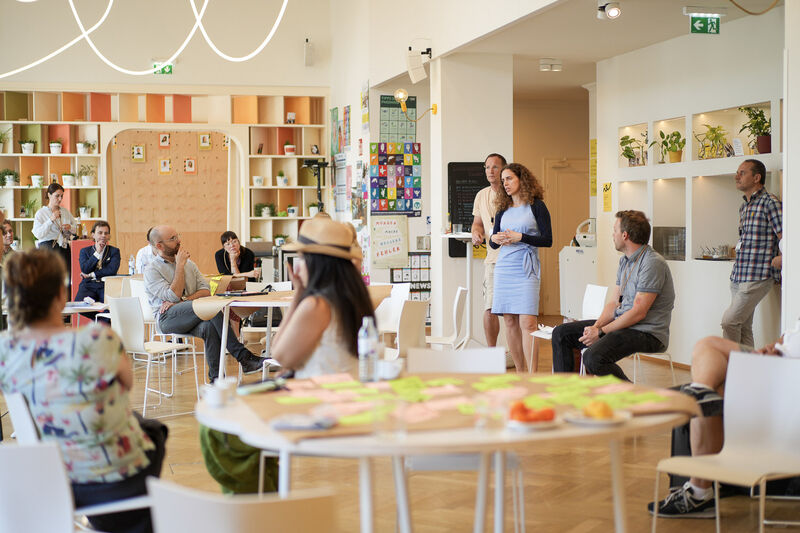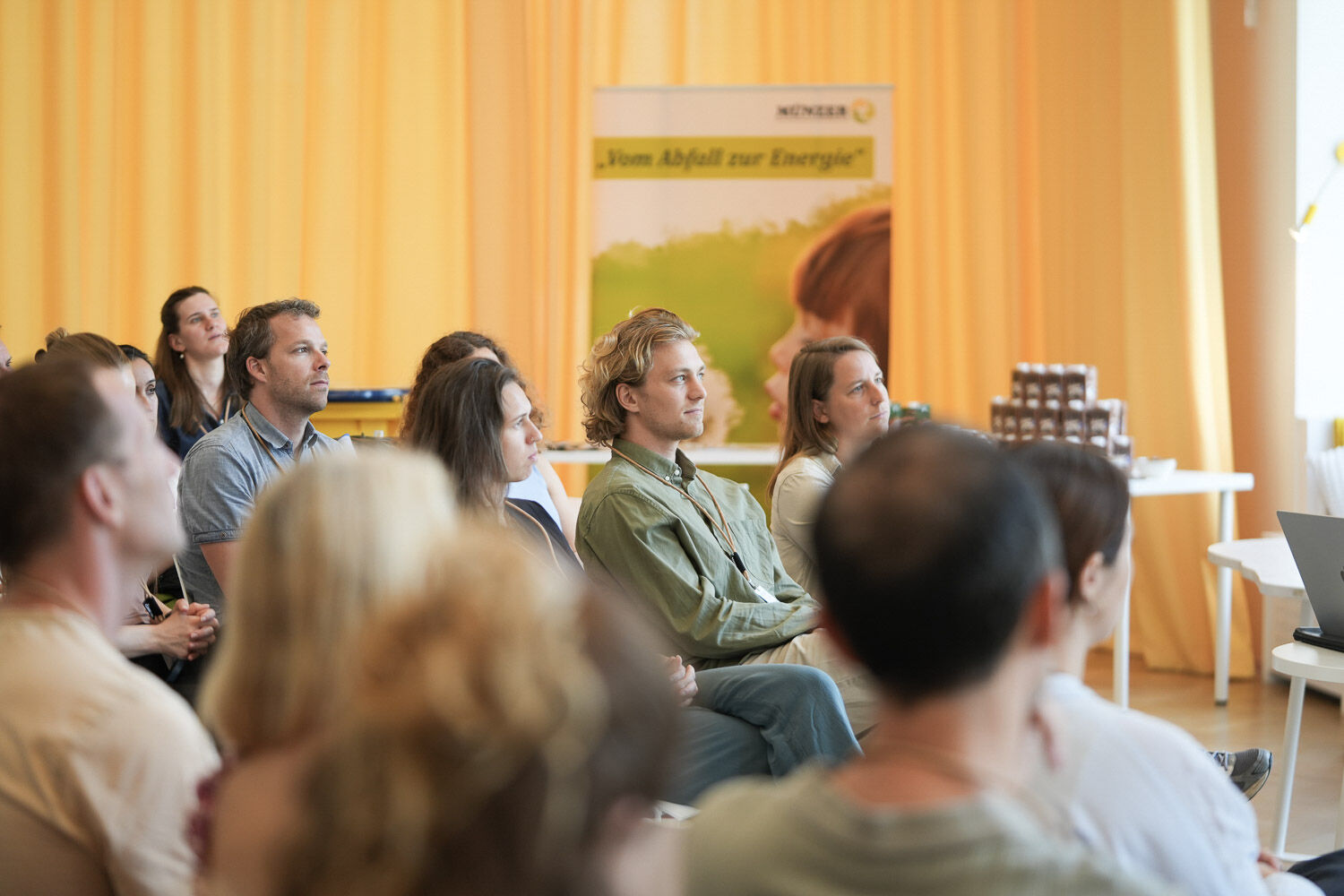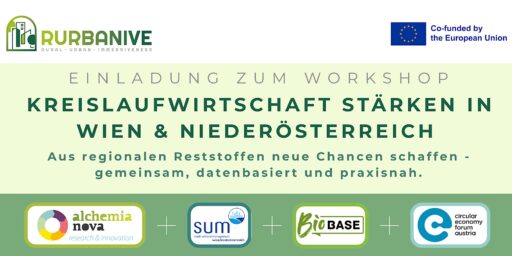
On the 18th of June 2026, we had the pleasure of hosting the workshop 𝙎𝙩𝙧𝙚𝙣𝙜𝙩𝙝𝙚𝙣𝙞𝙣𝙜 𝘾𝙞𝙧𝙘𝙪𝙡𝙖𝙧 𝙀𝙘𝙤𝙣𝙤𝙢𝙮 𝙞𝙣 𝙑𝙞𝙚𝙣𝙣𝙖 & 𝙇𝙤𝙬𝙚𝙧 𝘼𝙪𝙨𝙩𝙧𝙞𝙖 at the Education Lab in Vienna – and what an inspiring afternoon it was!
Event programme:
→ Circular Economy Forum Austria: Circular economy project team
→ BioBASE_GmbH: Presenting the BioBASE compass
→ City-Region Management Vienna/ Lower Austria: Circular Economy in Vienna & Lower Austria
→ alchemia-nova: Material flow analysis and multi-criteria analysis
→ Stakeholder exchange & networking
A huge thank you to all speakers and contributors who shared their expertise and perspectives: Valerie-Sophie Schönberg from Circular Economy Forum Austria, Kinga Hat from City-Region Management Vienna/ Lower Austria (Stadt-Umland-Management W/ NÖ), Thomas Timmel from BioBASE_GmbH, Florian Herkner from Kern Tec, Geier. Die Bäckerei, Stanislaus Peterlik from Münzer Bioindustrie GmbH.
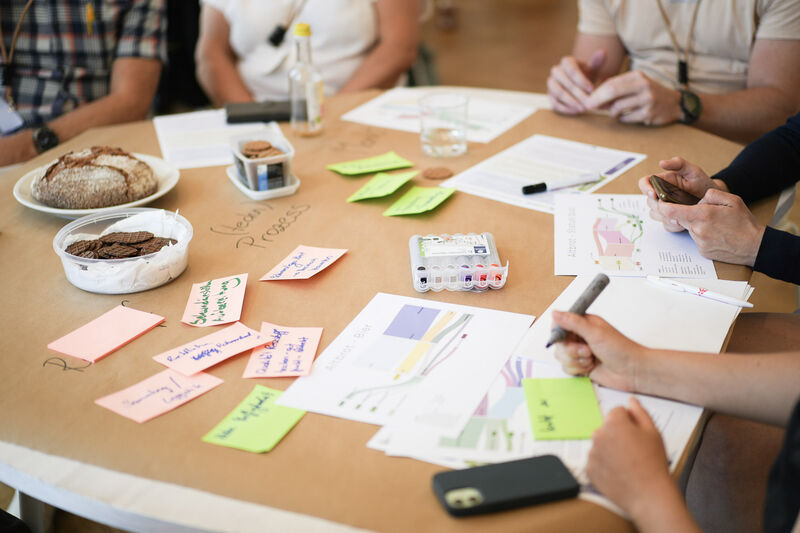
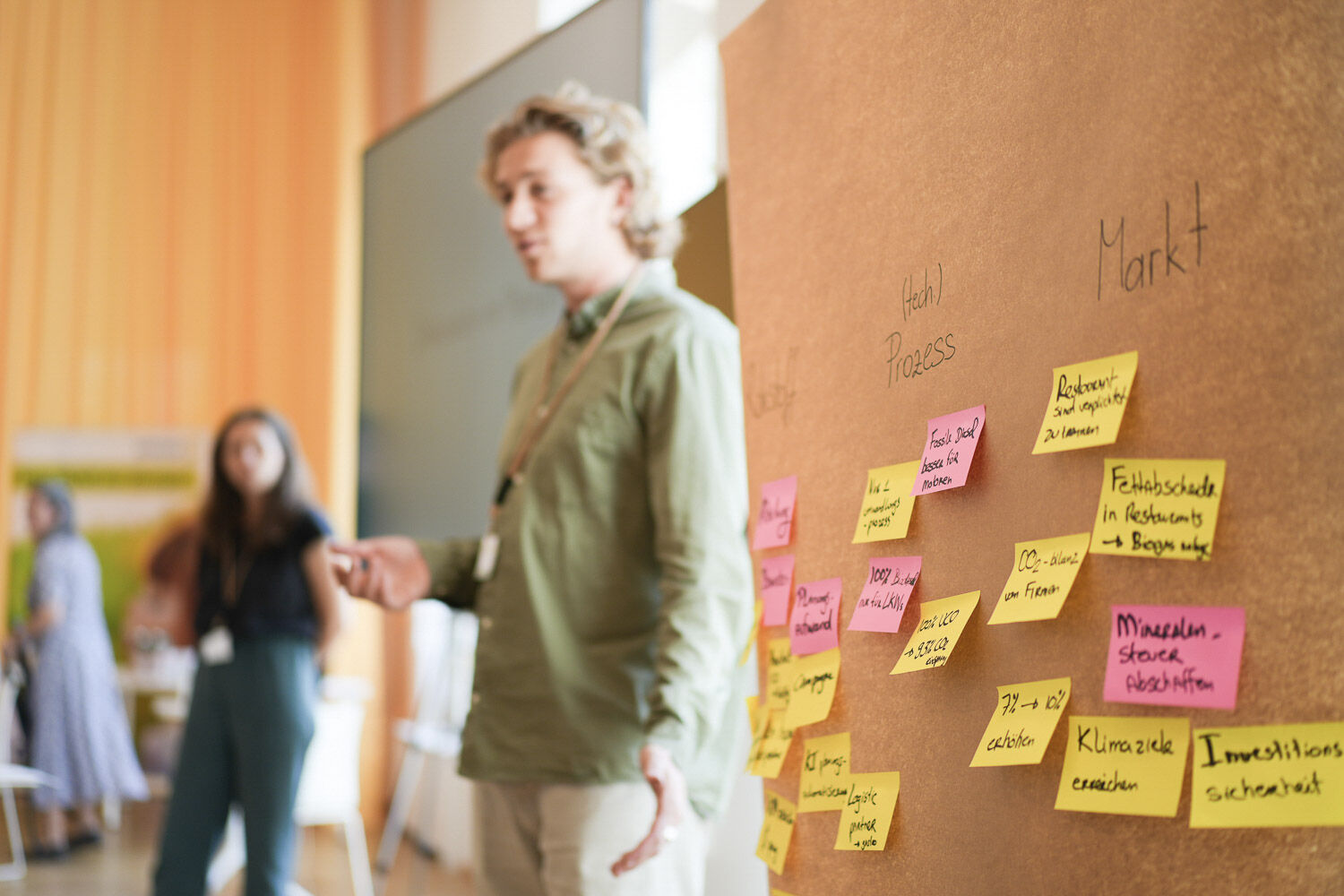
Each presentation highlighted a different angle of working towards a circular economy, showcasing practical solutions, innovative approaches and real-world examples that are already making a difference. The second part of the workshop was a deep-dive on three material streams with significant circularity potential: Stale Bread, Apricot stones and Used Cooking Oil Through interactive focus group discussions, stakeholders from across the value chain explored opportunities, bottlenecks and the conditions needed to scale possible circular solutions.
We even had the chance to taste already existing innovative best practices, like spirits from 𝘏𝘰𝘤𝘩𝘉𝘙𝘖𝘛𝘻𝘦𝘯𝘵𝘪𝘨 and bread-beer from 𝘉𝘳𝘢𝘶𝘦𝘳𝘦𝘪 𝘎𝘳𝘶𝘪𝘣𝘪𝘯𝘨𝘦𝘳, both made from stale bread, as well as chocolate and milk-alternatives from 𝘒𝘦𝘳𝘯 𝘛𝘦𝘤 made from apricot residues and 𝘎𝘦𝘪𝘦𝘳 bread chips made from stale bread.
As an underlying approach to develop those kinds of circular transition pathways, we also introduced alchemia-nova’s analytical methodology, which combines 𝗠𝗮𝘁𝗲𝗿𝗶𝗮𝗹 𝗙𝗹𝗼𝘄 𝗔𝗻𝗮𝗹𝘆𝘀𝗶𝘀 (𝗠𝗙𝗔) and 𝗠𝘂𝗹𝘁𝗶-𝗖𝗿𝗶𝘁𝗲𝗿𝗶𝗮 𝗗𝗲𝗰𝗶𝘀𝗶𝗼𝗻 𝗔𝗻𝗮𝗹𝘆𝘀𝗶𝘀 (𝗠𝗖𝗗𝗔) to support the transition towards a circular economy in a scientifically robust and practice-oriented way. The enabling approach was developed with the RURBANIVE Project EU. While MFA helps identify and quantify waste and side streams, uncovering opportunities for resource recovery and circular value creation, MCDA enables the systematic evaluation of different valorisation pathways across 𝗲𝗻𝘃𝗶𝗿𝗼𝗻𝗺𝗲𝗻𝘁𝗮𝗹, 𝗲𝗰𝗼𝗻𝗼𝗺𝗶𝗰 𝗮𝗻𝗱 𝘀𝗼𝗰𝗶𝗮𝗹 𝗱𝗶𝗺𝗲𝗻𝘀𝗶𝗼𝗻𝘀. Together, these methods provide a holistic basis for decision-making and help identify the most sustainable and feasible circular solutions.
A sincere thank you to everyone who participated, contributed ideas and engaged in the discussions!
Tamara Vobruba, Max Läuger, Antonia Zerobin, Robert Slade, Elisabeth Saurer, Valerie-Sophie Schönberg, Kinga Hat,Thomas Timmel, Florian Herkner, Lisa Marie Wilkens, Stanislaus Peterlik, Josef Edler, Kern Tec, Geier. Die Bäckerei, Münzer Bioindustrie GmbH, RURBANIVE Project EU
#CircularEconomy #Bioeconomy #Sustainability #Innovation #StakeholderEngagement #MaterialFlowAnalysis #MultiCriteriaAnalysis